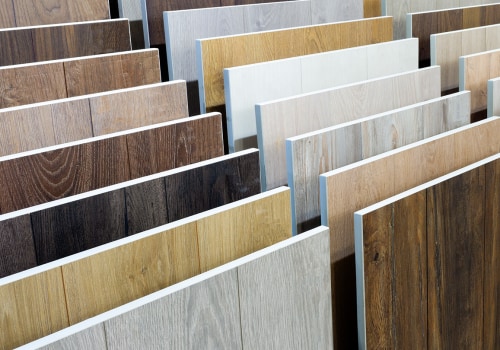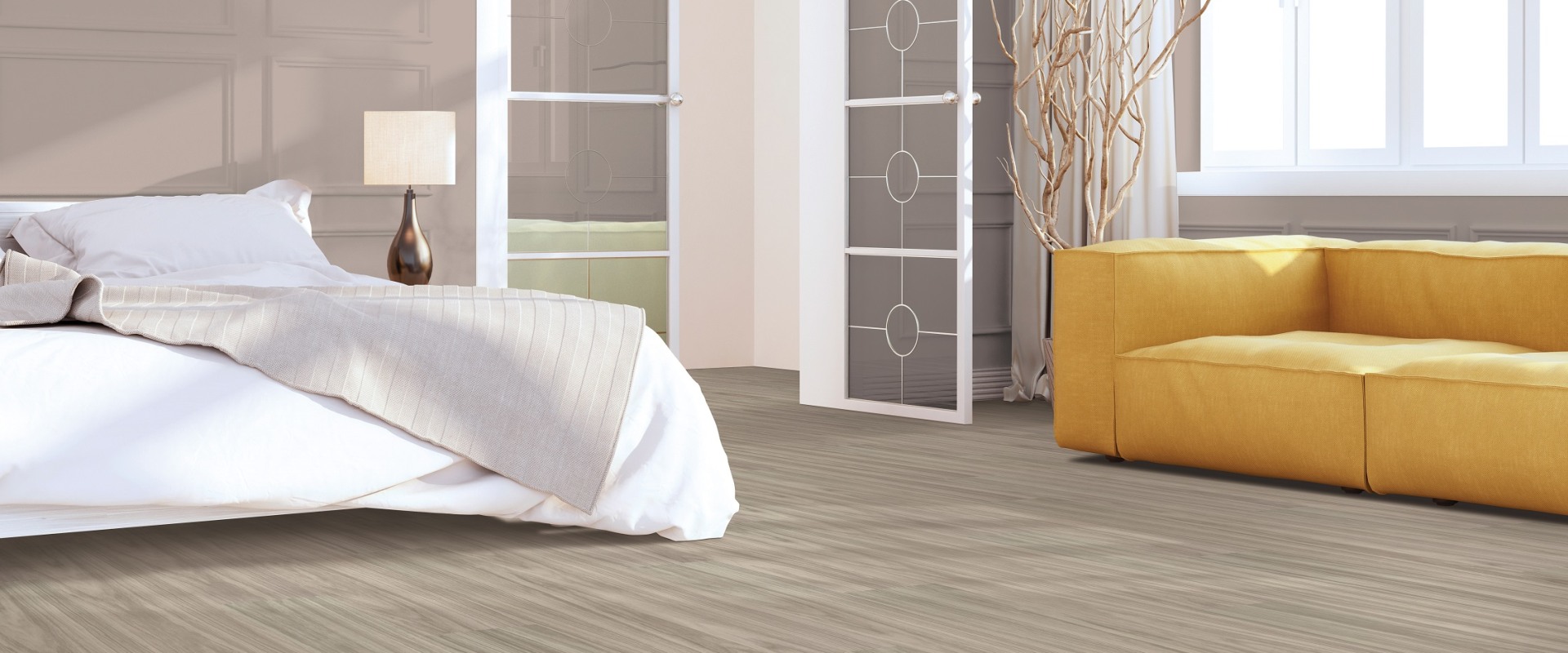
Vinyl plank flooring has emerged as a popular choice among homeowners and real estate professionals alike, thanks to its blend of affordability, durability, and aesthetic appeal. But what exactly is vinyl plank flooring? Essentially, it is a type of resilient flooring that mimics the look of natural materials like hardwood or stone while offering enhanced functionality. Made from multiple layers of synthetic materials, vinyl planks are designed to withstand the rigors of daily life, making them an ideal option for both residential and commercial spaces.One of the key advantages of vinyl plank flooring is its versatility. It comes in various styles, colors, and textures, allowing homeowners to achieve their desired look without breaking the bank. Vinyl plank flooring has emerged as a popular choice among homeowners and real estate professionals alike, thanks to its blend of affordability, durability, and aesthetic appeal. But what exactly is vinyl plank flooring? Essentially, it is a type of resilient flooring that mimics the look of natural materials like hardwood or stone while offering enhanced functionality. Made from multiple layers of synthetic materials, vinyl planks are designed to withstand the rigors of daily life, making them an ideal option for both residential and commercial spaces.One of the key advantages of vinyl plank flooring is its versatility. It comes in various styles, colors, and textures, allowing homeowners to achieve their desired look without breaking the bank.
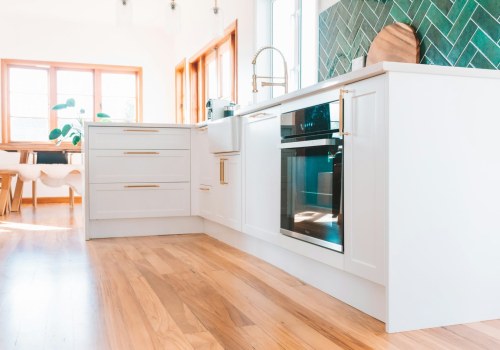
Whether you prefer the rustic charm of reclaimed wood or the sleek elegance of polished stone, there is a vinyl plank option that can meet your design needs. Additionally, vinyl flooring can be categorized into two main types: luxury vinyl planks (LVP) and vinyl composite tiles (VCT). LVP is known for its superior quality and realistic appearance, while VCT is often used in commercial settings due to its durability and ease of maintenance.Beyond aesthetics, the benefits of vinyl plank flooring extend to practical considerations as well. Its waterproof nature makes it an excellent choice for moisture-prone areas such as kitchens and bathrooms.
Furthermore, vinyl planks are resistant to scratches and dents, making them suitable for high-traffic zones in your home. This combination of beauty and resilience not only enhances your living space but also contributes significantly to the overall value of your property.
The Benefits of Vinyl Plank Flooring
When considering flooring options, vinyl plank flooring stands out for its remarkable benefits that cater to both aesthetic and practical needs. Homeowners are increasingly drawn to this versatile flooring solution, and for good reason.Durability That Lasts
One of the most significant advantages of vinyl plank flooring is its exceptional durability. Unlike traditional hardwood, which can be prone to scratches, dents, and water damage, vinyl planks are engineered to withstand the rigors of daily life.Made from high-quality synthetic materials, they are resistant to moisture, making them an ideal choice for areas prone to spills or humidity, such as kitchens and bathrooms.Moreover, vinyl planks are designed to endure heavy foot traffic without showing signs of wear. This durability not only ensures that your floors will look great for years but also reduces the need for frequent replacements or repairs, ultimately saving you money in the long run.
Low Maintenance Requirements
Another compelling reason to choose vinyl plank flooring is its low maintenance nature. Unlike hardwood floors that require regular polishing and refinishing, vinyl planks can be easily cleaned with a simple sweep or mop. Their non-porous surface prevents dirt and grime from penetrating, making it easier to maintain a clean and hygienic environment.For routine cleaning, a damp mop with a mild detergent is often all that’s needed.This ease of maintenance is particularly appealing for busy families or individuals who prefer spending their time enjoying their home rather than cleaning it.
Aesthetic Versatility
Aesthetically, vinyl plank flooring offers an impressive range of styles and designs. Homeowners can choose from a variety of colors, textures, and patterns that mimic the look of natural materials like wood or stone. This versatility allows you to achieve the desired look for any room in your home without compromising on quality or performance.Whether you prefer a rustic oak finish or a sleek modern slate appearance, there’s a vinyl plank option that can complement your home’s decor. This adaptability not only enhances your living space but also increases its appeal to potential buyers should you decide to sell in the future.In summary, the benefits of vinyl plank flooring—its durability, low maintenance requirements, and aesthetic versatility—make it an excellent choice for homeowners looking to maximize their home value while enjoying a beautiful and functional living space.Cost-Effectiveness: A Smart Investment
When considering home renovations, the cost-effectiveness of your choices can significantly influence your overall return on investment (ROI).Among various flooring options, vinyl plank flooring stands out as a particularly smart investment for homeowners looking to enhance their property value without breaking the bank.One of the primary advantages of vinyl plank flooring is its affordability. The average cost of vinyl plank flooring ranges from $2 to $7 per square foot, depending on the quality and design. In contrast, hardwood flooring can cost anywhere from $5 to $15 per square foot, not including installation costs. This stark difference in price makes vinyl planks a budget-friendly alternative that does not compromise on aesthetics or functionality.Moreover, the installation process for vinyl plank flooring is generally simpler and less labor-intensive than that of hardwood.
Many vinyl planks feature a click-and-lock system that allows for easy DIY installation, potentially saving homeowners hundreds of dollars in labor costs. This ease of installation further enhances the cost-effectiveness of vinyl planks, making them an attractive option for those looking to maximize their renovation budget.In terms of ROI, investing in vinyl plank flooring can yield impressive returns. Studies have shown that homeowners can expect to recoup approximately 70% to 80% of their investment when installing new flooring, with luxury vinyl planks often outperforming other materials in this regard. The durability and low maintenance requirements of vinyl planks contribute to their appeal among potential buyers, making homes with this type of flooring more attractive in a competitive market.Additionally, the versatility of vinyl plank flooring allows homeowners to choose from a wide range of styles and finishes that can mimic the look of natural wood or stone.
This aesthetic flexibility means that homeowners can achieve high-end looks at a fraction of the cost, further enhancing the perceived value of their property.In conclusion, when evaluating budget-friendly flooring options, vinyl plank flooring emerges as a clear winner. Its combination of affordability, ease of installation, and strong ROI potential makes it an ideal choice for homeowners aiming to maximize their home’s value while staying within budget.
Installation Process: Quick and Easy
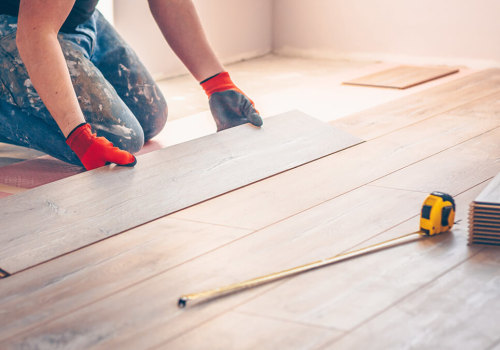
Installing vinyl plank flooring is a straightforward process that can be accomplished by homeowners looking to enhance their living spaces without the need for professional help. This section will guide you through the various installation methods available, emphasizing the ease and accessibility of DIY options.One of the most popular methods for installing vinyl plank flooring is the click-and-lock system. This innovative approach allows planks to snap together without the need for glue or nails, making it an ideal choice for those who prefer a hassle-free installation.Here’s a step-by-step guide to help you get started:
- Preparation: Begin by removing any existing flooring and ensuring that the subfloor is clean, dry, and level. This step is crucial as it provides a stable foundation for your new vinyl planks.
- Acclimation: Allow your vinyl planks to acclimate to the room temperature and humidity for at least 48 hours before installation. This helps prevent expansion or contraction after installation.
- Layout: Plan your layout by measuring the room and determining the direction in which you want to install the planks. Typically, planks are laid parallel to the longest wall or in the direction of natural light.
- Installation: Start laying the first row of planks along the wall, ensuring they are tightly locked together.
Use spacers to maintain a small gap between the planks and the wall, allowing for expansion.
- Continue Laying Planks: Proceed with subsequent rows, staggering the seams for a more natural look. This not only enhances aesthetics but also adds stability to your flooring.
- Finishing Touches: Once all planks are installed, remove spacers and install baseboards or trim to cover any gaps along the edges.
With minimal tools required—typically just a utility knife, measuring tape, and a tapping block—homeowners can achieve professional-looking results without breaking the bank.In conclusion, whether you opt for a click-and-lock system or adhesive installation, vinyl plank flooring offers an accessible way to enhance your home’s value while enjoying a rewarding DIY project.
Design Versatility: Matching Your Home's Aesthetic
One of the standout features of vinyl plank flooring is its remarkable design versatility. Homeowners can select from a vast array of styles, colors, and textures that can seamlessly integrate with any home decor. This adaptability makes vinyl plank flooring an ideal choice for those looking to enhance their living spaces without compromising on aesthetic appeal.Styles and Textures
- Wood-Look Vinyl Planks: These planks mimic the appearance of natural wood, offering the warmth and charm of hardwood without the associated maintenance. Available in various wood species, from oak to walnut, they can suit both traditional and contemporary settings.
- Stone-Look Vinyl Planks: For a more modern or rustic feel, stone-look vinyl options provide the elegance of natural stone.
They come in various finishes, including slate and marble, allowing homeowners to achieve a high-end look at a fraction of the cost.
- Patterned Vinyl Planks: For those who want to make a bold statement, patterned vinyl planks can add visual interest to any room. Geometric designs or intricate motifs can serve as a focal point in spaces like entryways or dining areas.
Color Options
The color palette available for vinyl plank flooring is extensive, ranging from light neutrals to deep, rich hues. Light colors can create an illusion of space and brightness, making them perfect for smaller rooms or areas with limited natural light. Conversely, darker shades can add depth and sophistication, making them suitable for larger spaces or those aiming for a cozy atmosphere.
Matching Flooring with Home Decor
When selecting vinyl plank flooring, it’s essential to consider how it will complement your existing decor.
Here are some tips:
- Consider Your Color Scheme: Choose flooring that harmonizes with your wall colors and furniture. For instance, if you have a neutral palette, you might opt for warmer wood tones to add warmth.
- Match Styles: If your home features modern decor, sleek and minimalist vinyl planks will enhance that aesthetic. Conversely, rustic homes may benefit from distressed wood-look options.
- Think About Lighting: The way light interacts with your flooring can change its appearance throughout the day. Test samples in different lighting conditions to ensure you’re happy with your choice.
With so many options available, finding the perfect match for your home’s aesthetic has never been easier.
Water Resistance and Durability: Ideal for High-Traffic Areas
When it comes to selecting flooring for your home, especially in high-traffic areas like kitchens and bathrooms, the water-resistant properties and durability of the material are paramount. Vinyl plank flooring excels in both these aspects, making it an ideal choice for homeowners looking to enhance their living spaces without compromising on functionality.Water Resistance: A Key Feature
One of the standout features of vinyl plank flooring is its exceptional water resistance. Unlike traditional hardwood or laminate options, which can warp or swell when exposed to moisture, luxury vinyl planks are designed to withstand spills and humidity. This makes them particularly suitable for:
- Kitchens: With frequent cooking and cleaning, kitchens are prone to spills.
Vinyl planks can handle everything from water splashes to accidental spills of sauces and oils without sustaining damage.
- Bathrooms: The high humidity levels in bathrooms can wreak havoc on many flooring types. Vinyl's waterproof nature ensures that it remains intact and visually appealing, even in the most humid environments.
Durability: Built to Last
In addition to being water-resistant, vinyl plank flooring is renowned for its durability. It is constructed to endure heavy foot traffic, making it a perfect fit for busy households. Here are some reasons why vinyl stands out:
- Scratch and Dent Resistance: The surface of vinyl planks is engineered to resist scratches and dents, which is crucial in areas where furniture may be moved frequently or where pets roam.
- Fade Resistance: High-quality vinyl flooring is designed to resist fading from sunlight exposure, ensuring that your floors maintain their vibrant appearance over time.
- Easy Maintenance: Cleaning vinyl plank flooring is a breeze.
Regular sweeping and occasional mopping are all that’s needed to keep it looking new, making it a practical choice for busy families.
Environmental Considerations: Sustainability in Flooring Choices
When considering flooring options, the environmental impact is an increasingly important factor for homeowners. As awareness of sustainability grows, many are seeking eco-friendly flooring options that not only enhance their living spaces but also contribute positively to the planet.In this context, vinyl plank flooring emerges as a compelling choice, particularly when compared to traditional materials.One of the primary concerns with flooring materials is their sustainability throughout their lifecycle—from production to disposal. Vinyl plank flooring is often made from polyvinyl chloride (PVC), a type of plastic that can be recycled. However, the sustainability of vinyl flooring largely depends on the manufacturing processes and the specific products chosen. Many manufacturers are now adopting greener practices, such as using recycled materials in their products and reducing harmful emissions during production.In terms of durability, vinyl plank flooring outperforms many other materials.
Its resistance to wear and tear means it has a longer lifespan, which reduces the need for frequent replacements—a significant factor in its overall environmental footprint. Additionally, because it is waterproof, it is less likely to suffer damage from spills or moisture, further extending its usability.When comparing vinyl plank flooring to other common options like hardwood or laminate, several factors come into play:
- Resource Consumption: Hardwood flooring requires cutting down trees, which can lead to deforestation if not sourced sustainably. In contrast, vinyl does not rely on natural resources in the same way.
- Carbon Footprint: The production of hardwood involves significant energy consumption and transportation emissions. Vinyl plank flooring can be produced closer to where it will be sold, potentially lowering its carbon footprint.
- Recyclability: While hardwood can be repurposed or recycled, the process can be labor-intensive.
Vinyl planks can often be recycled more easily if they are collected through proper channels.
Frequently Asked Questions about Vinyl Plank Flooring
When considering vinyl plank flooring, many homeowners have questions regarding its installation, maintenance, and overall performance. Below are some of the most frequently asked questions that can help clarify any doubts you may have.What is vinyl plank flooring made of?
Vinyl plank flooring is primarily composed of several layers, including a backing layer, a core layer, a design layer that mimics the appearance of wood or stone, and a wear layer that provides durability. This multi-layer construction makes it both resilient and visually appealing.How is vinyl plank flooring installed?
The installation process for vinyl plank flooring is relatively straightforward.Most products feature a click-and-lock system, allowing planks to be easily snapped together without the need for glue or nails. Here are the basic steps:
- Preparation: Ensure the subfloor is clean, dry, and level.
- Acclimation: Allow the planks to acclimate to the room temperature for at least 48 hours.
- Installation: Start from one corner of the room and work your way out, clicking each plank into place.
- Finishing touches: Install baseboards or trim to cover any gaps along the edges.
What maintenance does vinyl plank flooring require?
One of the significant advantages of vinyl plank flooring is its low maintenance requirements. To keep your floors looking their best, follow these simple tips:- Regular cleaning: Sweep or vacuum regularly to remove dirt and debris.
- Mopping: Use a damp mop with a mild cleaner specifically designed for vinyl floors. Avoid harsh chemicals that can damage the surface.
- Avoid excessive water: While vinyl is water-resistant, excessive moisture can lead to issues.
Wipe up spills promptly.
- Protective measures: Use felt pads under furniture legs to prevent scratches and dents.
Is vinyl plank flooring suitable for all areas of my home?
Yes, vinyl plank flooring is versatile and can be installed in various areas of your home, including kitchens, bathrooms, living rooms, and even basements. Its waterproof properties make it particularly suitable for moisture-prone areas.If you have more questions about vinyl plank flooring, don’t hesitate to reach out to a flooring expert or visit your local home improvement store for additional information!Conclusion: The Value Proposition of Vinyl Plank Flooring
In summary, the decision to invest in vinyl plank flooring is not merely a choice of aesthetics; it is a strategic move that can significantly enhance the value of your home. Throughout this article, we have explored various facets of vinyl plank flooring, highlighting its numerous advantages over traditional flooring options.One of the most compelling reasons to consider vinyl plank flooring is its remarkable cost-effectiveness. Homeowners are often faced with the challenge of balancing quality and budget, and vinyl planks provide an ideal solution.They offer the luxurious appearance of hardwood without the hefty price tag, making them accessible for a wider range of budgets.Moreover, the durability and resilience of vinyl plank flooring cannot be overstated. Unlike hardwood, which can be prone to scratches and water damage, luxury vinyl planks are designed to withstand the rigors of daily life. Their waterproof nature makes them particularly suitable for areas prone to moisture, such as kitchens and bathrooms, ensuring that they maintain their beauty and functionality over time.Another significant advantage is the ease of installation. The click-and-lock system allows for a straightforward installation process that can often be completed in a fraction of the time required for traditional flooring methods.
This not only saves time but also reduces labor costs, further enhancing the overall value proposition.When considering resale value, potential buyers are increasingly drawn to homes with modern, low-maintenance features. Vinyl plank flooring checks all these boxes, making it an attractive selling point. Its wide range of styles and finishes allows homeowners to customize their spaces while appealing to diverse tastes.In conclusion, choosing vinyl plank flooring is a wise investment for homeowners looking to maximize their property’s value. With its combination of affordability, durability, ease of installation, and aesthetic versatility, it stands out as a premier choice in today’s competitive real estate market.
By opting for this innovative flooring solution, you not only enhance your living space but also position your home favorably for future buyers.