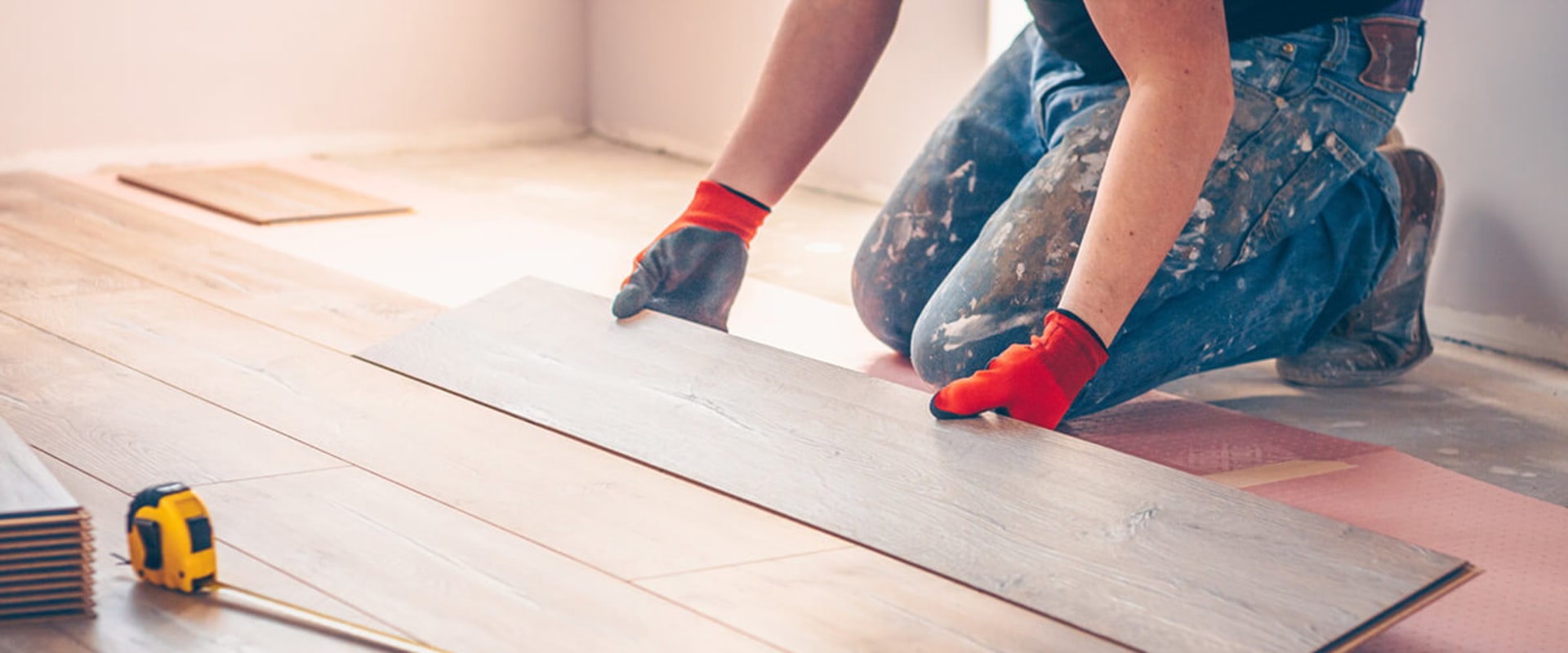
The choice of flooring in a home is more than just a matter of aesthetics; it is a critical factor that can significantly influence the overall value of a property. When potential buyers walk through a home, their first impressions are often shaped by the quality and style of the flooring. New, well-chosen flooring can create an inviting atmosphere, making the space feel more modern and well-maintained. This initial appeal can lead to higher offers and quicker sales, underscoring the importance of investing in quality flooring.Research indicates that upgrading to new flooring can yield impressive returns on investment, with some studies suggesting increases in home value ranging from 10% to as much as 54%.
Such statistics highlight how essential it is for homeowners to consider their flooring options carefully. Not only does new flooring enhance the visual appeal of a home, but it also signals to buyers that the property has been well cared for. This perception can be pivotal in competitive real estate markets where buyers are looking for any advantage.Moreover, different types of flooring can cater to various buyer preferences and lifestyles. For instance, hardwood floors are often associated with luxury and durability, while tile may appeal to those seeking low maintenance and water resistance.
Understanding these nuances allows homeowners to make informed decisions that align with market trends and buyer expectations. In this article, we will delve deeper into how new flooring not only elevates the aesthetic value of a home but also serves as a strategic investment that can enhance property worth.
The Role of Flooring in Home Aesthetics
The choice of flooring in a home significantly influences its overall aesthetic appeal, which is a critical factor for attracting potential buyers. When prospective homeowners walk through a property, the first impression often stems from the floors beneath their feet. Therefore, selecting the right type of flooring can enhance the visual appeal and create a welcoming atmosphere.Different flooring styles can evoke various emotions and set distinct tones within a home.For instance, hardwood floors exude warmth and elegance, making them a popular choice for living rooms and dining areas. Their natural grain patterns and rich colors can complement a range of interior designs, from traditional to contemporary.On the other hand, tile flooring offers versatility and durability, making it ideal for kitchens and bathrooms. With an array of colors, patterns, and textures available, tile can mimic the look of natural stone or even wood while providing easy maintenance. This adaptability allows homeowners to create cohesive designs that flow seamlessly from room to room.
Carpet
, while less durable than hard surfaces, adds comfort and warmth to bedrooms and family rooms.
The softness underfoot can make spaces feel more inviting, especially in colder climates. Additionally, carpets come in various styles and colors, enabling homeowners to express their personal style while enhancing the overall aesthetic.Moreover, the trend towards eco-friendly flooring options has gained traction in recent years. Sustainable materials such as bamboo or cork not only contribute to a home’s aesthetic but also appeal to environmentally conscious buyers. These materials often feature unique textures and colors that can set a home apart in a competitive market.Ultimately, the visual appeal of flooring is not just about aesthetics; it also plays a crucial role in how potential buyers perceive the value of a home.
A well-chosen flooring option can elevate the entire space, making it feel more luxurious and inviting. Therefore, investing in quality flooring is not merely an upgrade; it is a strategic move that can significantly enhance a home's marketability.
Quantifying the Value Increase from New Flooring
When considering the impact of new flooring on home value, it is essential to look at quantifiable data that illustrates the return on investment (ROI) homeowners can expect. Various studies and surveys have been conducted to assess how much new flooring can enhance a property's market value.According to a report by the National Association of Realtors (NAR), homeowners can expect an average ROI of around 70% to 80% when they invest in new flooring. This means that for every dollar spent on flooring, homeowners can anticipate recovering a significant portion of that cost when selling their home.In terms of specific figures, the Cost vs.Value Report
published annually by Remodeling Magazine provides detailed insights into various home improvement projects, including flooring. The latest report indicates that:- Hardwood flooring installations can yield an ROI of approximately 75%, making it one of the most sought-after options for potential buyers.
- Laminates , while generally less expensive, still offer a respectable ROI of around 60%, appealing to budget-conscious homeowners.
- Tile flooring , particularly in kitchens and bathrooms, can also enhance value significantly, with an ROI ranging from 50% to 70%.
Homeowners looking to maximize their property value should consider upgrading their floors as a strategic move in today’s competitive real estate market.
Types of Flooring That Add Value
When considering how to enhance your home’s value, the type of flooring you choose can make a significant difference. Each flooring option comes with its own set of benefits and potential drawbacks, influencing not only the aesthetic appeal of your home but also its market value. Below, we explore some of the most popular types of flooring and their impact on home value. you choose can make a significant difference. Each flooring option comes with its own set of benefits and potential drawbacks, influencing not only the aesthetic appeal of your home but also its market value. Below, we explore some of the most popular types of flooring and their impact on home value.Hardwood Flooring
Hardwood flooring is often regarded as one of the best investments for increasing home value. Its timeless appeal and durability make it a favorite among buyers.Homes with hardwood floors can see an increase in value ranging from 2.5% to 10%, depending on the quality and type of wood used. Additionally, hardwood is easy to maintain and can last for decades, making it a long-term investment.
Laminate Flooring
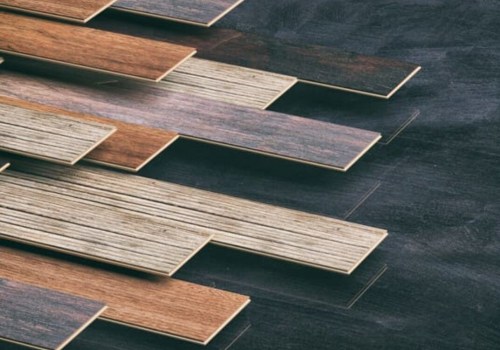
Laminate flooring has gained popularity due to its affordability and versatility. While it may not add as much value as hardwood, it can still provide a decent return on investment, typically around 5% to 7%. Laminate mimics the look of wood or stone without the high cost, making it an attractive option for budget-conscious homeowners.However, potential buyers may perceive laminate as less desirable than natural materials.
Tile Flooring
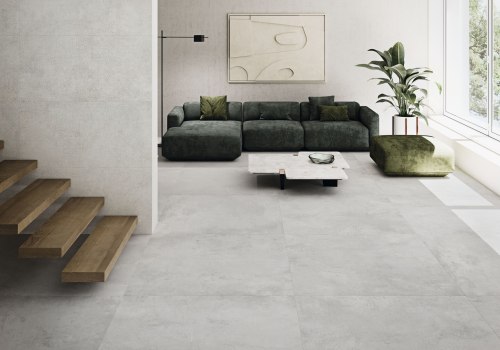
Tile flooring is another excellent choice for enhancing home value, particularly in areas prone to moisture, such as kitchens and bathrooms. Ceramic and porcelain tiles are durable and easy to clean, appealing to many buyers. Homes with tile flooring can see an increase in value of approximately 7% to 15%. Additionally, tile offers a wide range of design options, allowing homeowners to customize their spaces effectively.Carpet Flooring
While carpet can provide warmth and comfort, its impact on home value is more nuanced.In general, homes with new carpet may see a modest increase in value—around 2% to 5%. However, carpet can also be a turn-off for some buyers due to maintenance concerns and allergies. If you choose carpet, consider using it in bedrooms or family rooms where comfort is prioritized.In conclusion, when selecting flooring options that add value to your home, consider both the aesthetic appeal and the potential return on investment. Hardwood and tile tend to offer the highest returns, while laminate provides a budget-friendly alternative.
Carpet can enhance comfort but may not significantly boost value. Ultimately, choosing the right flooring depends on your specific needs and market trends.
Cost vs. Value: Is New Flooring Worth It?
When considering the installation of new flooring, homeowners often grapple with the question of whether the investment is truly worth it. The cost of new flooring can vary significantly based on the type of material chosen, the size of the area to be covered, and the complexity of the installation process.For instance, while luxury vinyl planks may cost around $2 to $7 per square foot, high-end hardwood can range from $5 to $15 or more per square foot. Additionally, installation costs can add another $1 to $5 per square foot, depending on the contractor and local labor rates.To evaluate whether new flooring is a sound investment, it’s essential to consider the potential return on investment (ROI). Studies indicate that homeowners can expect an ROI of anywhere from 70% to 80% when upgrading their flooring. This means that if you spend $10,000 on new floors, you could see an increase in your home’s value by approximately $7,000 to $8,000. For instance, while luxury vinyl planks may cost around $2 to $7 per square foot, high-end hardwood can range from $5 to $15 or more per square foot. Additionally, installation costs can add another $1 to $5 per square foot, depending on the contractor and local labor rates.To evaluate whether new flooring is a sound investment, it’s essential to consider the potential return on investment (ROI). Studies indicate that homeowners can expect an ROI of anywhere from 70% to 80% when upgrading their flooring. This means that if you spend $10,000 on new floors, you could see an increase in your home’s value by approximately $7,000 to $8,000.
However, this figure can fluctuate based on various factors such as market conditions and buyer preferences.Moreover, the type of flooring you choose plays a crucial role in determining your ROI. For example:
- Hardwood Flooring: Often regarded as a premium choice, hardwood floors not only enhance aesthetic appeal but also tend to attract buyers willing to pay a premium price.
- Tile Flooring: Particularly in kitchens and bathrooms, tile can offer durability and style that many buyers appreciate, often resulting in a favorable ROI.
- Carpet: While generally less expensive upfront, carpet may not yield as high a return compared to other materials due to maintenance concerns and changing buyer preferences.
By carefully selecting materials that align with market trends and buyer preferences, homeowners can make informed decisions that not only improve their living environment but also contribute positively to their property’s overall worth.
Market Trends: What Buyers Are Looking For in Flooring
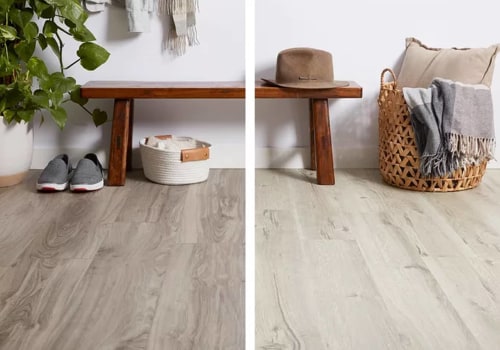
As we delve into the current landscape of flooring trends in 2023, it becomes evident that buyer preferences are evolving, influenced by a combination of aesthetic desires, functionality, and sustainability. Understanding these trends is crucial for homeowners looking to enhance their property value through flooring upgrades.One of the most significant trends this year is the growing demand for sustainable flooring options. Buyers are increasingly prioritizing eco-friendly materials that not only reduce their carbon footprint but also contribute to healthier indoor environments. Options such as bamboo, cork, and reclaimed wood are gaining traction due to their renewable nature and minimal environmental impact.In addition to sustainability, durability remains a key factor in buyer preferences.Homeowners are seeking flooring that can withstand the rigors of daily life, especially in high-traffic areas. Luxury vinyl plank (LVP) and tile are particularly popular for their resilience and ease of maintenance. These materials offer the look of natural wood or stone while providing superior durability, making them ideal choices for families and pet owners.Another notable trend is the shift towards neutral color palettes. Shades of gray, beige, and soft whites are dominating the market as they provide a versatile backdrop that complements various interior design styles.
This trend not only appeals to buyers' aesthetic preferences but also allows for greater flexibility in decorating and staging homes for sale.Moreover, buyers are increasingly interested in textured finishes. Flooring options that feature unique textures—such as hand-scraped hardwood or distressed laminate—add depth and character to spaces. This trend reflects a desire for individuality in home design, as buyers seek to create personalized environments that stand out.Finally, the integration of technology into flooring solutions is becoming more prevalent. Smart flooring systems that offer features like temperature control or built-in sound insulation are appealing to tech-savvy buyers who value innovation and convenience.In summary, aligning your flooring upgrades with these market trends can significantly enhance your home's appeal.
By focusing on sustainability, durability, neutral colors, textured finishes, and technological advancements, homeowners can make informed decisions that resonate with potential buyers in today's competitive real estate market.
DIY vs. Professional Installation: What to Consider
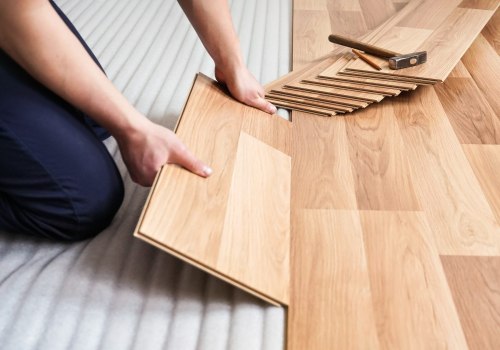
When it comes to installing new flooring, homeowners often face a critical decision: should they tackle the project themselves or hire a professional? Both options have their merits and drawbacks, and understanding these can help you make an informed choice that aligns with your budget, skills, and timeline.DIY Flooring Installation
Opting for a DIY flooring installation can be an appealing choice for many homeowners. Here are some advantages:- Cost Savings: One of the most significant benefits of DIY is the potential to save on labor costs. By handling the installation yourself, you can allocate those funds toward higher-quality materials or other home improvements.
- Flexibility: DIY projects allow you to work at your own pace.
You can choose when to start and stop, making it easier to fit the project into your schedule.
- Personal Satisfaction: Successfully completing a flooring installation can provide a sense of accomplishment and pride in your home.
- Skill Level: Not everyone has the necessary skills or experience to install flooring correctly. Mistakes can lead to costly repairs or replacements down the line.
- Time-Consuming: Depending on the size of your space and your skill level, DIY installations can take significantly longer than anticipated.
- Lack of Warranty: Many flooring manufacturers require professional installation to maintain warranties. If you choose to install it yourself, you may void this protection.
Professional Flooring Installation Benefits
Hiring professionals for your flooring installation comes with its own set of advantages:- Expertise: Professionals bring years of experience and knowledge to the table. They are familiar with various flooring types and installation techniques, ensuring a high-quality finish.
- Efficiency: A professional team can complete the job much faster than a DIYer, minimizing disruption in your home.
- Warranty Protection: Many professional installers offer warranties on their work, providing peace of mind that any issues will be addressed without additional costs.
Installation costs vary widely based on factors such as:
- The type of flooring being installed
- The size of the area
- The complexity of the installation process
Maintenance and Longevity: Keeping Your Floors Valuable
Maintaining your flooring is essential not only for aesthetic reasons but also for preserving the value of your home. Different types of flooring require specific care to ensure they remain in excellent condition over time.Here are some tips tailored to various flooring materials:
Hardwood Floors
- Regular Cleaning: Sweep or vacuum regularly to remove dirt and debris that can scratch the surface. Use a damp mop with a hardwood floor cleaner to maintain shine.
- Humidity Control: Keep indoor humidity levels between 30% and 50% to prevent warping or cracking. Consider using a humidifier in dry seasons.
- Refinishing: Depending on foot traffic, consider refinishing your hardwood floors every 5-10 years to restore their original luster.
Laminate Flooring
- Gentle Cleaning: Use a microfiber mop and a laminate floor cleaner. Avoid excessive water, as it can seep into seams and cause damage.
- Avoid Scratches: Place felt pads under furniture legs and avoid dragging heavy items across the floor.
- Repairing Damage: If scratches occur, use a laminate repair kit to fill in the damaged areas and maintain the floor's appearance.
Tile Flooring
- Grout Maintenance: Clean grout lines regularly with a mixture of baking soda and vinegar to prevent staining and mildew buildup.
- Sealant Application: Apply a sealant every few years to protect tiles and grout from moisture and stains, especially in high-traffic areas like kitchens and bathrooms.
- Regular Sweeping: Sweep or vacuum frequently to keep dirt from scratching the tile surface.
Carpet Flooring
- Frequent Vacuuming: Vacuum at least once a week to remove dirt and allergens.
Consider using a vacuum with a HEPA filter for better air quality.
- Professional Cleaning: Schedule professional carpet cleaning every 12-18 months to remove deep-seated dirt and stains.
- Spot Treatment: Address spills immediately with appropriate cleaning solutions to prevent permanent stains.
FAQs About Flooring and Home Value
When considering the impact of flooring on home value, homeowners often have a multitude of questions. Below are some of the most frequently asked questions regarding flooring investments and their potential returns.How much can new flooring increase my home’s value?
The increase in home value from new flooring can vary significantly based on several factors, including the type of flooring chosen, the quality of installation, and the overall market conditions. On average, homeowners can expect an increase in value ranging from 10% to 54%.High-quality materials like hardwood or luxury vinyl can yield better returns compared to lower-end options.
What types of flooring offer the best return on investment?
- Hardwood Flooring: Often considered the gold standard, hardwood floors are highly sought after by buyers and can significantly boost your home’s appeal.
- Laminates: A cost-effective alternative to hardwood, laminate flooring can mimic the look of wood while providing durability and ease of maintenance.
- Luxury Vinyl Plank (LVP): This option combines aesthetics with practicality, offering water resistance and a variety of styles that appeal to modern buyers.
Is it worth investing in flooring before selling my home?
Investing in new flooring before selling your home is often a wise decision. Not only does it enhance the visual appeal of your property, but it also creates a positive first impression for potential buyers. Homes with updated flooring tend to sell faster and at higher prices compared to those with outdated or damaged floors.What should I consider when choosing new flooring?
- Durability: Consider how much foot traffic your floors will endure. High-traffic areas may require more durable materials.
- Style: Choose a style that complements your home’s overall aesthetic.
Neutral colors often appeal to a broader range of buyers.
- Maintenance: Some flooring options require more upkeep than others. Assess how much time and effort you’re willing to invest in maintenance.
Conclusion: The Lasting Impact of New Flooring on Your Home's Worth
In conclusion, the impact of new flooring on your home's value cannot be overstated. Throughout this article, we have explored various dimensions of how upgrading your floors can significantly enhance not only the aesthetic appeal of your property but also its market value. As we have seen, investing in quality flooring options can yield a return on investment that ranges from 10% to as much as 54%, depending on the materials chosen and the overall market conditions.One of the most compelling reasons to consider new flooring is its ability to attract potential buyers.Homes with modern, well-maintained floors often stand out in a competitive real estate market. Buyers are increasingly discerning, and they tend to favor properties that require minimal immediate renovations. This means that homes featuring updated flooring are likely to receive higher offers and sell more quickly.Moreover, the choice of flooring material plays a crucial role in determining the overall impact on home value. For instance, hardwood floors are often viewed as a premium option that can elevate a home's status, while eco-friendly materials like bamboo or cork are gaining popularity among environmentally conscious buyers.
Each type of flooring brings its own set of advantages and can cater to different buyer preferences.Additionally, it is essential to consider the long-term benefits of new flooring beyond just immediate resale value. Quality flooring can improve your home's energy efficiency, reduce maintenance costs, and enhance comfort. These factors contribute to a more enjoyable living experience and can lead to increased satisfaction for homeowners.Ultimately, making informed decisions about flooring upgrades is vital for homeowners looking to maximize their investment. Whether you are preparing to sell or simply want to improve your living space, understanding the lasting impact of new flooring will guide you in making choices that align with both your aesthetic desires and financial goals.